★ Karun Treasure
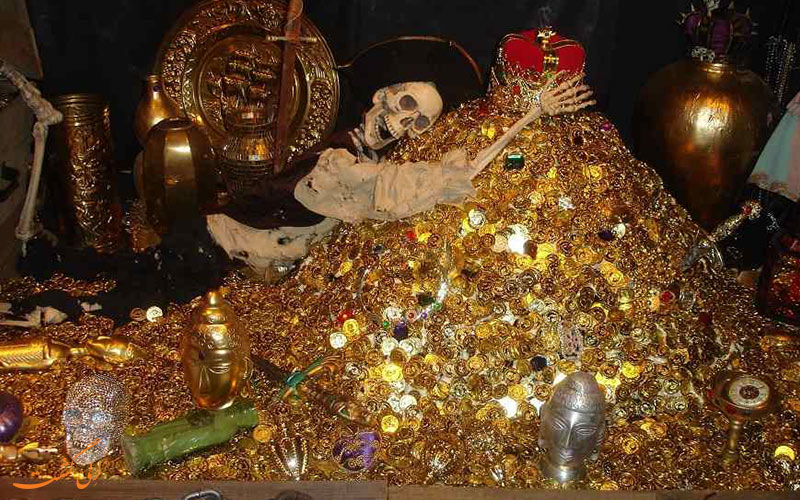
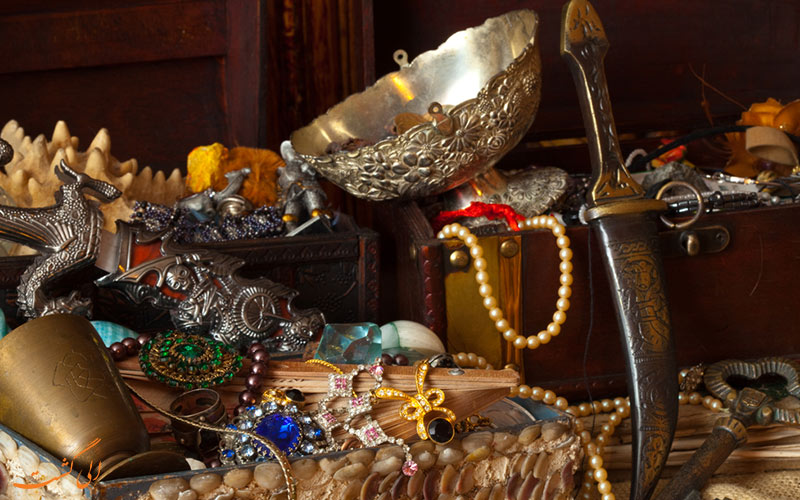
Karun treasure is the name given to a collection of 363 valuable Lydian artifacts Dating from the 7th century BC and originating from uşak province in Western Turkey which were the subject of legal proceedings between Turkey and new York Metropolitan Museum of art between 1987-1993 and which were returned to Turkey in 1993 after the Museum admitted that the items were stolen when they purchased them. The collection also known as the Lydian hoard. The items are exhibited in the uşak Museum of archaeology.
The collection is made once again the sensational news in may 2006 when a key piece, a Golden hippocamp, on display in uşak Museum along with the rest of the collection, was discovered already switched with a fake, probably between March to August 2005,
Another term used for the collection is "Croesus treasure". Although the exhibits were closely contemporary to Croesus, whether they should be directly linked with the legendary Lydian king or not remains controversial. The wealth of Croesus could not fail to affect the number of Asian cultures in a vein similar to his fame in the Western cultures, and is referred to as Karun Arabic, Persian or Turkish Qarun, or Korah, with the mythical proportions of his fortune also exerts its influence on the different hand, in parallel with the English language expression "as rich as Croesus". This explains why the term "Karun treasure" took, and in any case, the king Croesus treasure consisted of more than 363 pieces and the tomb chamber tumulus where most artifacts were discovered they come from a close but different sites was a woman.







 اسرار دریاچه بختگان(پری دریائی و راه یافتن گنج و دفینه)
 دانلود pdfکتاب اسرار نشانه ها ( کاملترین کتاب الکترونیکی مرجع رمز گشایی علائم و نشانه ها ۱۶۲ صفحه رنگی pdf به زبان فارسی)
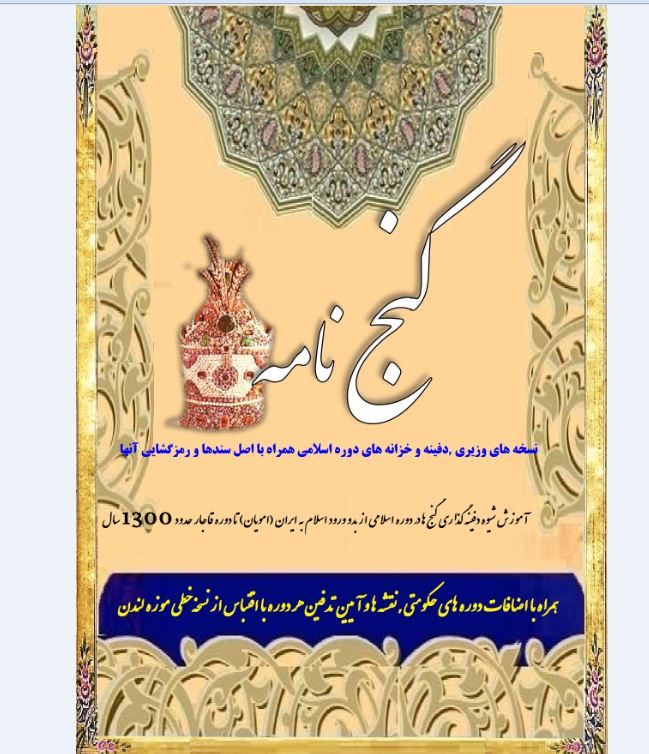 دانلودpdf(کتاب نفیس گنج نامه) (گنج نامه احمد وزیر ) کتاب گنج نامه وزیری و شاهی((نمونه گنج نامه های وزیری- شاهی)
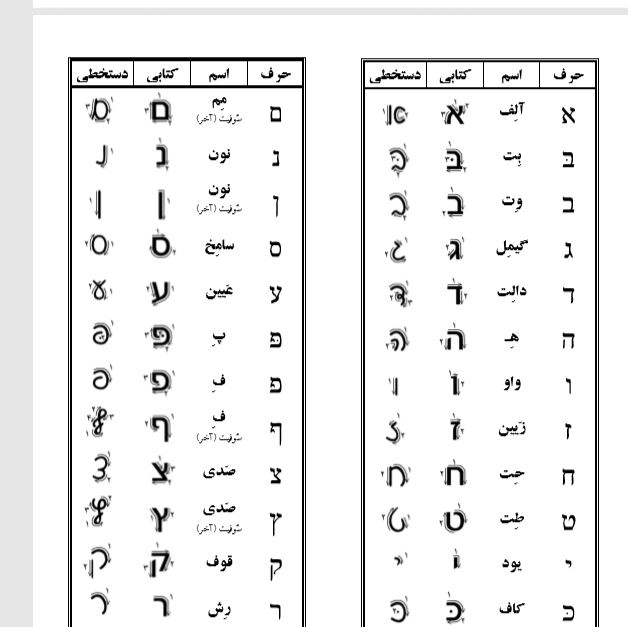 آموزش خط عبری
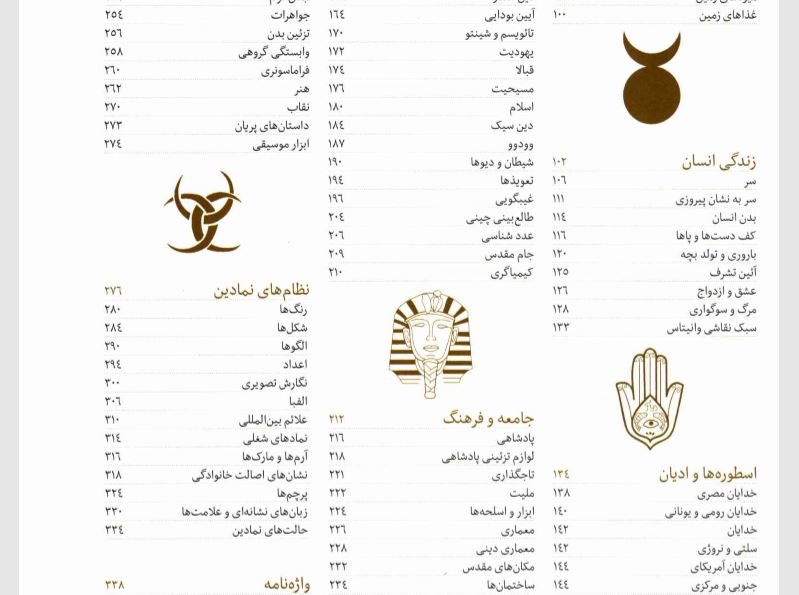 نشانه ها و نمادها در ایران
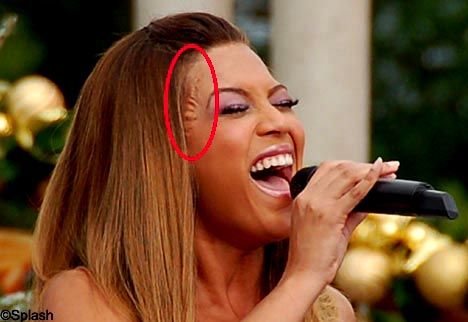 عکسهای واقعی از فرا انسانها رپتیلین(یافتن گنج و دفینه و طلا با استفاده از یافتن تونلهای زیر زمینی فرا انسانها و شناخت این انسانها)
 شناسائی حوضچه ها ی دارای گنج
 آموزش کامل تله کینزی در 2 روز ، حرکت دادن اجسام توسط نیروی ذهن
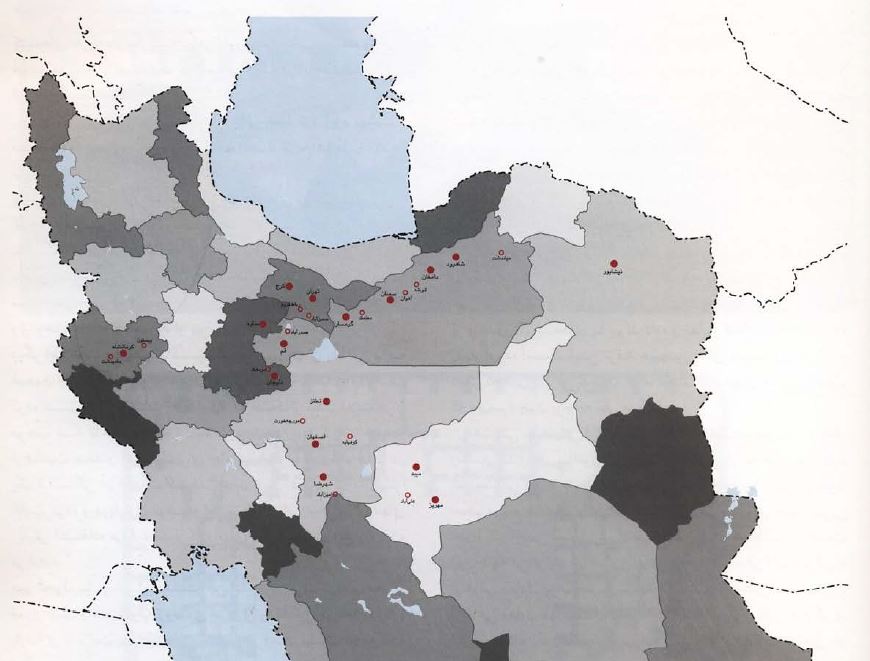 کتاب محل دقیق کاروانسرا های ایران ( محل احتمالی و تخمینی دفن گنجها )
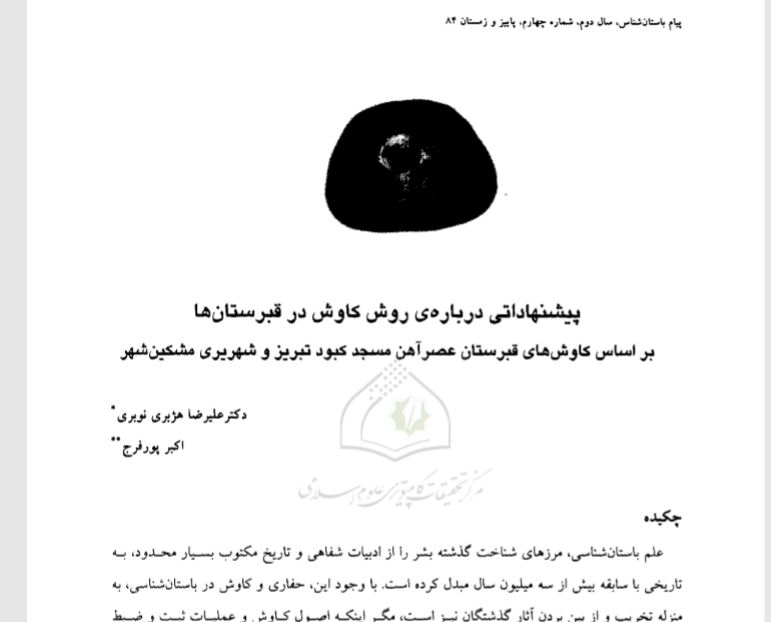 روش کاوش در قبرستان ها(این کتاب دوبار در سایت بارگذاری شده است)
 لیست کامل شهر ها و استانهای ایران برای یاقتن گنج
 علائم نشانه و سمبل ها در قبرستان و گورستان برای پیدا کردن گنج و دفینه و طلا و زیر خاکی
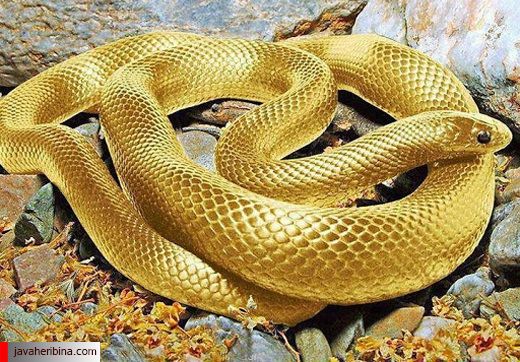 مار بر روی گنج طلسم
 اگر کسی گنج پیدا کند چه کند؟ قوانین و مقررات در مورد یافتن گنج چه می گوید؟
 گنج و دفینه و زیر خاکی معبد سلیمان و جن
 قبرهای دارای گنج/ چه قبرهایی گنج دارند و چه قبرهائی گنج ندارند
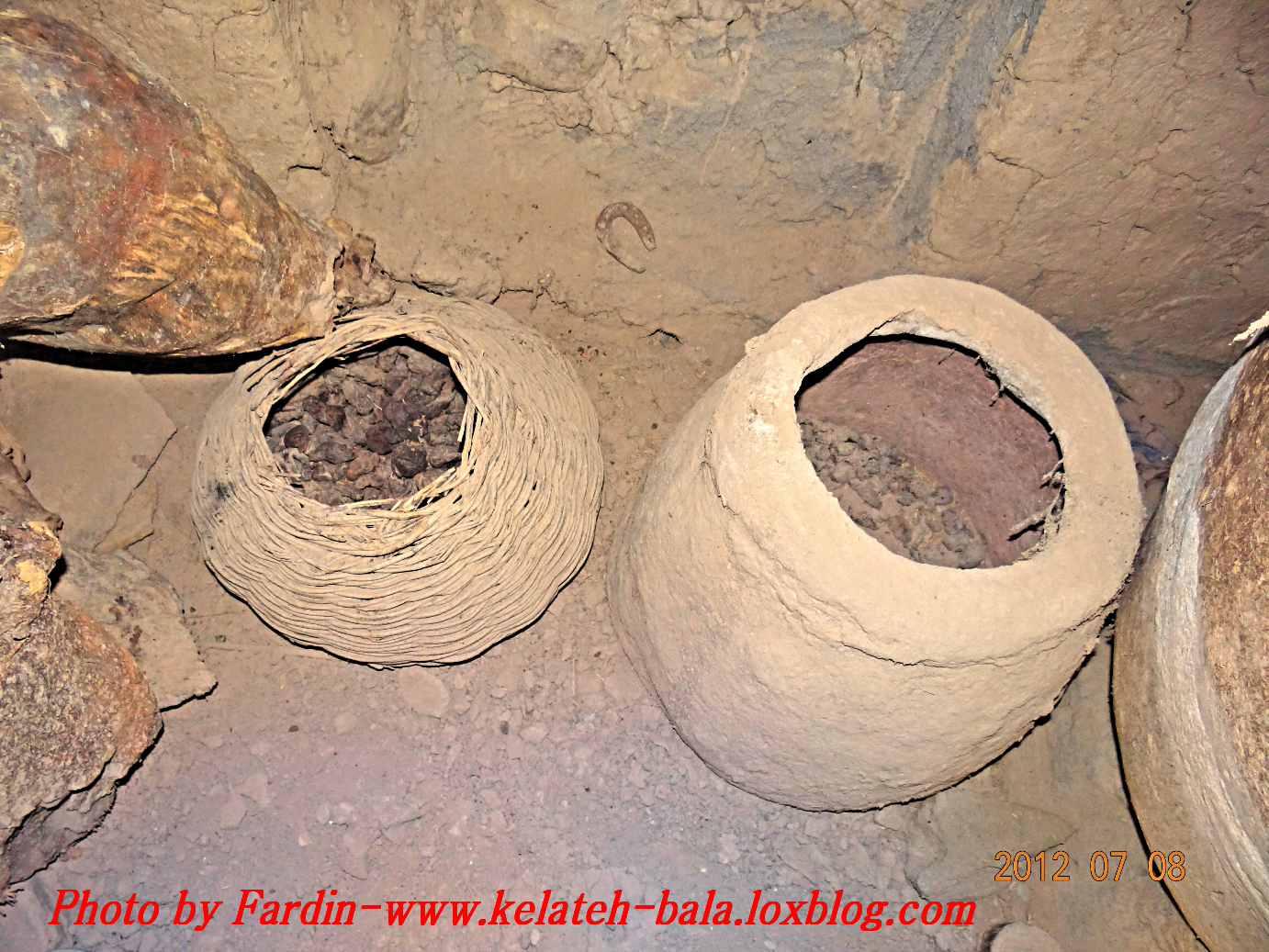 دفینه در آب و قنات
 جن و محل یافتن گنج و دفینه
 برای پیدا کردن گنج دفینه زیر خاکی و طلا زیر کدامیک ازدرختها رو باید حفاری کرد( فروش فایل فایل غیر رایگان pdf گنج و دفینه)
 طریقه یافتن گنج در چاه
 دانلود کتاب گنج باستان
 آثار باستانی و تاریخی لرستان(آشنائی با مکانهای گنج در لرستان)
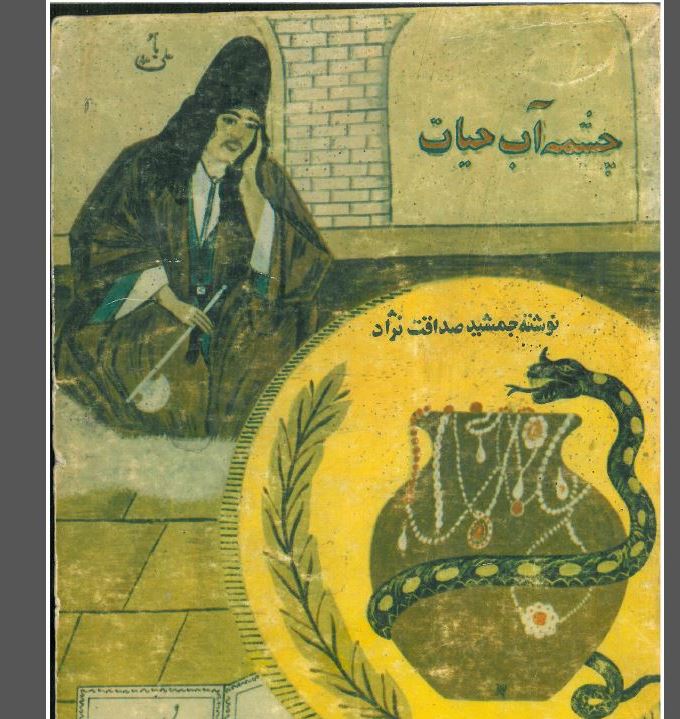 دانلود pdf کتاب چمشه آب حیات نوشته جمشید صداقت نژاد
 نشانه های کهن (از سری کتابهای طلائی پکیج گنج یابی)

